
A Wise Turn in Health Policy: Why Putting Nutrition at the Heart of MahamaCare Deserves National Applause
There are moments in public policy when a single decision reveals whether a nation is prepared to continue paying for illness or is ready to invest in building healthier communities.
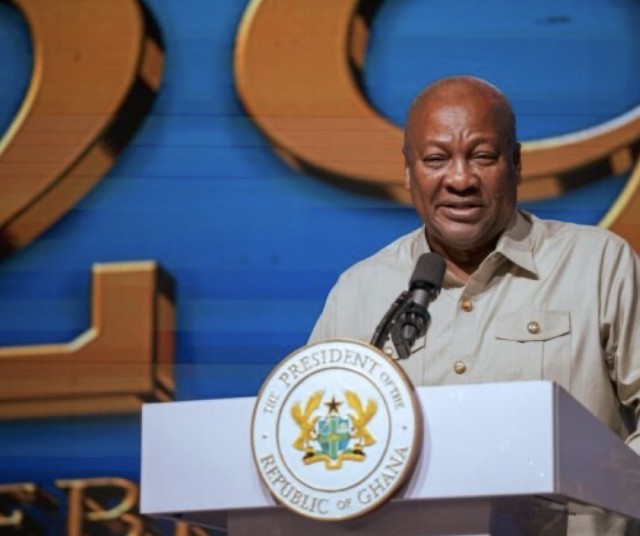
President John Dramani Mahama’s launch of Ghana’s Free Primary Healthcare programme at the Shai Osudoku District Hospital in Dodowa represents such a moment. Positioned as a complement to the National Health Insurance Scheme and part of Ghana’s broader ambition towards universal health coverage, the initiative signals a move away from a healthcare model focused mainly on treating illness after it occurs towards one built around prevention, early intervention and community-based care.
If structured nutrition education is embedded as a core pillar of MahamaCare, Ghana could be taking one of the most important steps in modernising its healthcare system.
Nutrition should not be treated as a secondary issue within healthcare. It is one of the foundations upon which health outcomes are built. A healthcare system cannot achieve lasting success if it focuses only on medicine and hospitals while ignoring the role of food, diet and healthy lifestyle choices.
Primary healthcare remains the foundation of universal health coverage. It brings health promotion, disease prevention, treatment and rehabilitation closer to where people live and work.
For Ghana, this means moving beyond waiting for diseases to become severe before providing care. The country must strengthen systems that identify risks early and empower citizens with knowledge and support to prevent illness.
Nutrition is one of the most effective tools for achieving this goal.
Good nutrition is not simply a personal lifestyle choice. It is essential for preventing disease, supporting recovery and improving quality of life.
Poor diets contribute to rising cases of hypertension, diabetes, obesity and other non-communicable diseases that continue to place pressure on families and the national health system. At the same time, inadequate nutrition weakens immunity, affects recovery from illness and can reduce the effectiveness of medical treatment.
For children, nutrition influences physical growth, learning ability and future productivity. For adults, it affects energy levels, workplace performance and overall contribution to society.
This is why nutrition education within primary healthcare is so important.
A pregnant woman receiving practical dietary guidance during antenatal care is better equipped to protect her health and support her baby’s development. Parents who understand infant feeding and dietary diversity can make better decisions during the crucial early years of a child’s life.
Patients diagnosed with conditions such as hypertension or diabetes can also benefit from professional nutrition counselling that supports their treatment plans and encourages sustainable lifestyle changes.
Prevention begins with knowledge.
The economic argument for nutrition investment is equally strong. Research has shown that investments in proven nutrition interventions generate significant social and economic returns by reducing healthcare costs, improving productivity and strengthening human development.
A stronger primary healthcare system also creates economic benefits by reducing avoidable illnesses and helping people remain healthy and productive.
For Ghana, this approach is particularly important because the country faces a double burden of malnutrition — dealing with undernutrition and micronutrient deficiencies while also managing rising diet-related chronic diseases.
A nutrition-centred healthcare strategy provides a smarter response. It allows health workers to support citizens before illness develops, rather than only responding after problems become severe and expensive.
However, successful implementation will require more than policy announcements.
Nutritionists and dietitians must be fully integrated into the programme at every level. Their expertise will be essential in developing practical and culturally appropriate nutrition guidance, providing professional counselling and strengthening monitoring systems.
They will also play a key role in supporting pregnant women, children, older adults and people living with chronic conditions.
Without trained professionals leading this effort, nutrition education risks becoming a slogan rather than a meaningful healthcare reform.
The true promise of MahamaCare lies in its ability to change Ghana’s approach to health — from reacting to sickness towards actively building wellness.
The government, Ministry of Health, Ghana Health Service, training institutions, development partners and professional bodies must now work together to ensure nutrition becomes part of the foundation of healthcare delivery.
Health does not begin inside a hospital.
It begins in homes, schools, markets, farms, workplaces and communities. It begins with what people know, what they eat and the support they receive before health challenges become serious.
If MahamaCare successfully places nutrition at the centre of primary healthcare, history may remember it not only as a political programme but as a significant turning point in Ghana’s journey towards a healthier nation.
By Dr Kasim Abdulai, Senior Lecturer, Department of Nutrition and Dietetics, University of Cape Coast; Dietitian and Public Health Expert
BreakingPolitics
Putting Nutrition at the Heart of MahamaCare: Why Ghana’s Health Policy Shift Deserves National Support
President John Dramani Mahama’s Free Primary Healthcare programme could represent a major step towards preventive healthcare in Ghana, especially if structured nutrition education becomes a central pillar of the initiative.
SA
By Super Admin
Sunday, July 26, 2026
178 0 4 min read
Source: Dr Kasim Abdulai
Advertisement